
Children’s Islamic Education Series (Books 1-10 PDF): A Comprehensive Guide
This ten-book series offers a structured Islamic learning path, beginning with foundational concepts in Book 1 and progressing to complex topics like history and jurisprudence.
Overview of the Series
The Children’s Islamic Education Series, encompassing Books 1 through 10 in PDF format, represents a meticulously designed curriculum aimed at providing a comprehensive introduction to Islam for young learners. Available through resources like EmaanLibrary.com, this series distinguishes itself by its progressive structure, carefully building upon foundational knowledge with each subsequent book.
The series isn’t merely a collection of texts; it’s a pedagogical approach designed to instill core Islamic values and beliefs in a manner accessible to children. It covers a broad spectrum of Islamic teachings, starting with basic concepts and expanding into the Pillars of Islam, Islamic history, ethics, and even introductory jurisprudence.
This resource is particularly valuable due to its convenient PDF format, allowing for easy access and portability. The series aligns with principles of high-quality early childhood education, ensuring relevance and readability, and is intended to supplement existing curricula, offering a robust foundation in Islamic studies.
Target Audience and Age Groups

The Children’s Islamic Education Series (Books 1-10) is primarily designed for young Muslims seeking a structured introduction to their faith. While the series is adaptable, it’s generally targeted towards children in grades 1 through 12, reflecting a broad age range and varying levels of Islamic knowledge.

Book 1 serves as an excellent starting point for very young learners, introducing basic Islamic concepts in a simplified manner. As the series progresses, the complexity of the material increases, catering to older children and adolescents. The curriculum is suitable for both home-schooling environments and supplementary Islamic education programs.
The series’ adaptability makes it beneficial for diverse learning needs, supporting early childhood education principles. It’s intended to be used by teachers, parents, and students alike, fostering a collaborative learning experience. The series aims to deliver high-quality education for all children, regardless of their prior exposure to Islamic teachings.
Core Islamic Concepts Introduced (Book 1)
Book 1 of the Children’s Islamic Education Series lays a crucial foundation by introducing basic Islamic concepts to young learners. This initial volume focuses on establishing core beliefs, including the concept of Tawhid (the oneness of God), the importance of believing in the Prophets, and understanding the divine scriptures.
Children are introduced to the significance of angels, the Day of Judgment, and the concept of divine decree (Qadar). The book aims to instill a fundamental understanding of faith, encouraging a strong connection with Islamic principles from an early age.
It presents these concepts in a child-friendly manner, utilizing simple language and engaging illustrations. Book 1 serves as a building block for subsequent volumes, ensuring a solid grasp of foundational beliefs before progressing to more complex topics. This early introduction is vital for nurturing a lifelong commitment to Islamic values.
Book-by-Book Breakdown: Learning Progression
The series is thoughtfully structured across ten books, each designed to build upon the previous one, creating a progressive learning experience. Book 1 establishes foundational Islamic beliefs, while Books 2-5 delve into the Pillars of Islam and essential daily practices like prayer, fasting, charity, and pilgrimage.
This progression ensures children understand the ‘what’ and ‘why’ behind Islamic observances. Books 6-10 broaden the scope, introducing Islamic history, ethical principles, and basic Islamic jurisprudence. This later stage aims to cultivate a holistic understanding of the faith, encompassing its historical context and moral guidelines.
The series’ structure allows for a gradual increase in complexity, catering to different learning stages and ensuring children remain engaged and motivated throughout their Islamic education journey. Each book reinforces prior knowledge, fostering a comprehensive and lasting understanding.
Book 1: Foundational Beliefs
Book 1 serves as the cornerstone of the series, meticulously introducing basic Islamic concepts to young learners. It focuses on establishing a firm understanding of core beliefs, such as the existence of Allah, belief in angels, divine books, prophets, and the Day of Judgement.

This initial volume employs simple language and engaging illustrations to make these abstract concepts accessible to children. It aims to instill a love for Islam and a foundational understanding of its principles. The book carefully avoids complex theological discussions, prioritizing clarity and ease of comprehension.
Book 1 is designed to be the starting point for a lifelong journey of Islamic learning, providing a solid base upon which subsequent books can build. It’s a gentle introduction, fostering curiosity and a positive attitude towards religious education.
Books 2-5: Pillars of Islam & Basic Practices
Building upon the foundational beliefs established in Book 1, Books 2 through 5 delve into the practical aspects of Islam – the Five Pillars. These volumes systematically explain Shahada (declaration of faith), Salat (prayer), Zakat (charity), Sawm (fasting), and Hajj (pilgrimage) in a child-friendly manner.

Each pillar is explored in detail, outlining its significance and how to perform related practices. The series emphasizes the importance of these pillars as the framework for a Muslim’s life. Basic Islamic etiquette and daily routines, such as making wudu (ablution) and reciting du’a (supplication), are also introduced.
These books utilize storytelling and relatable examples to help children understand and appreciate the wisdom behind Islamic practices, encouraging them to incorporate these into their daily lives. The progression is designed to be gradual and reinforcing.
Books 6-10: Islamic History, Ethics & Jurisprudence
The later books, 6 through 10, broaden the scope beyond foundational beliefs and practices, introducing children to the rich tapestry of Islamic history and the principles guiding ethical conduct. These volumes present key events and figures from early Islamic history, highlighting their significance and lessons.
Islamic ethics and moral values are explored through stories and examples, fostering a strong sense of character and compassion. An introduction to basic Islamic jurisprudence (fiqh) is provided, explaining the reasoning behind certain rulings in an age-appropriate manner.
These books aim to cultivate a holistic understanding of Islam, connecting faith with daily life and inspiring children to become responsible and ethical members of society. The series encourages critical thinking and a lifelong pursuit of knowledge.
Educational Approach and Methodology
The series employs a progressive and engaging pedagogical approach, designed to cater to the developmental stages of children. It moves from simple concepts to more complex ideas, building upon previously learned material. Storytelling, relatable examples, and vibrant illustrations are central to the methodology.
Emphasis is placed on interactive learning, encouraging children to actively participate through questions, activities, and discussions. The books aim to foster a love for learning and a positive attitude towards Islamic education.
The curriculum is designed to be accessible and inclusive, recognizing diverse learning needs. It aligns with principles of early childhood education, promoting holistic development and a strong foundation for future learning. High-quality education for all children is a key goal.
Key Themes and Values Emphasized
Central to the series are core Islamic values such as taqwa (God-consciousness), adab (good manners), and akhlaq (moral character). These are interwoven throughout the curriculum, providing a moral compass for young learners.
The series emphasizes the importance of family, community, and social responsibility, encouraging children to be compassionate and contributing members of society. Respect for elders, kindness to others, and honesty are consistently highlighted.
A strong focus is placed on developing a love for the Quran and the Sunnah, inspiring children to emulate the noble example of Prophet Muhammad (peace be upon him). The promise of high-quality education is delivered through these themes, fostering a strong Islamic identity and a commitment to ethical living.
Benefits of Using the Series for Islamic Education
This series provides a comprehensive and structured approach to Islamic education, ensuring a solid foundation of knowledge for children. The progressive learning path, from basic concepts to more complex topics, caters to different developmental stages.
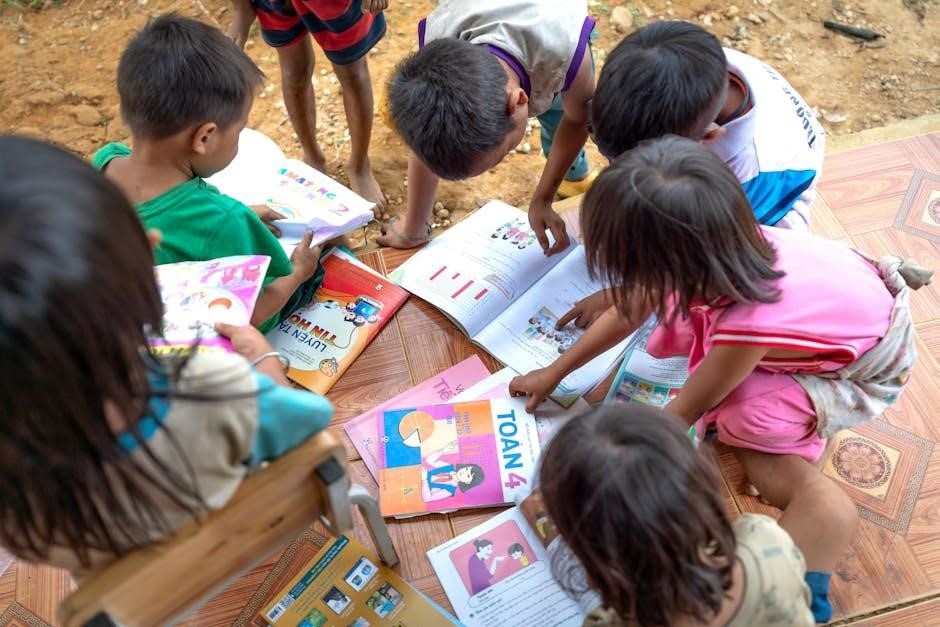
The PDF format offers convenience and accessibility, allowing for easy distribution and use in various settings – homes, schools, and Islamic centers. It’s a valuable resource for supplementing existing curricula and reinforcing Islamic teachings.
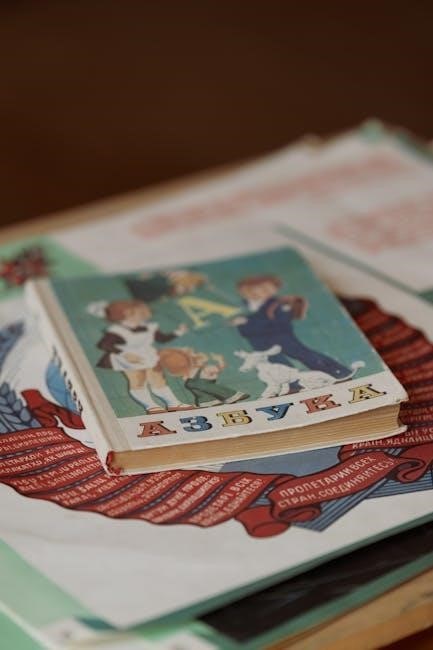
The series fosters a love for Islam and encourages children to embrace Islamic values in their daily lives. It delivers on the promise of high-quality education, promoting a strong Islamic identity and preparing them to be responsible Muslims. Furthermore, it supports early childhood education principles.
Comparison with Other Islamic Education Resources
Compared to fragmented resources, this ten-book series offers a coherent and progressive curriculum, building knowledge systematically. While many resources focus on isolated topics, this series provides a holistic understanding of Islam, encompassing beliefs, practices, history, and ethics.
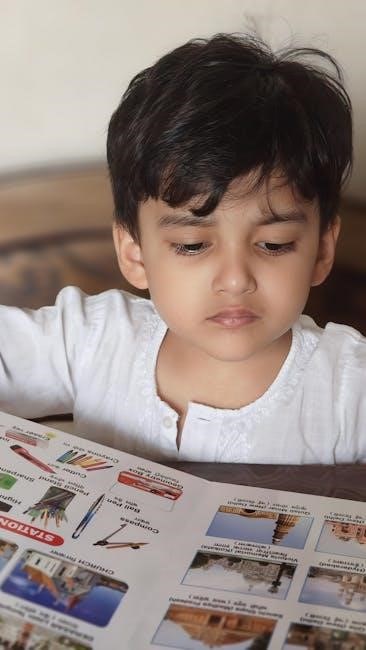
Unlike some materials that may lack pedagogical structure, this series is designed with clear learning objectives and age-appropriate content. The PDF format enhances accessibility, unlike physical books which can be costly or difficult to obtain.
EmaanLibrary.com provides a wealth of free Islamic ebooks, offering a broader range of materials, but this series stands out for its focused, structured approach to children’s education. It’s a valuable complement to other resources, offering a dedicated pathway for foundational Islamic learning.
Availability and Accessing the PDF Format
The Children’s Islamic Education Series (Books 1-10) is readily available in convenient PDF format through EmaanLibrary.com. This online platform offers free access to a vast collection of Islamic ebooks, including this comprehensive series. Navigating the site is straightforward, utilizing a top menu or category sections for easy browsing.
Users can directly download each book as a PDF, enabling offline access and printing if desired. The PDF format ensures compatibility across various devices – computers, tablets, and smartphones – promoting flexible learning. An advanced search tool is available to quickly locate specific books within the library.
EmaanLibrary.com encourages users to make Dua (supplication) if they find the resource beneficial and suggests considering a voluntary donation to a local Masjid. This accessibility makes quality Islamic education readily available to a wider audience.
EmaanLibrary.com as a Resource
EmaanLibrary.com serves as a central hub for accessing the Children’s Islamic Education Series (Books 1-10) and a wealth of other Islamic educational materials. The platform boasts a large number of free Islamic ebooks, audio lectures, and video content, catering to diverse learning preferences. Its user-friendly interface allows for easy navigation through the top menu or categorized sections.
Beyond the book series, EmaanLibrary.com provides a comprehensive resource for Islamic studies, supporting both individual learning and educational institutions. The site’s commitment to providing free resources makes Islamic knowledge accessible to all. Users are encouraged to support the platform through Dua and voluntary donations to local Masjids.
The library’s dedication to preserving and disseminating Islamic teachings positions it as a valuable asset for the Muslim community worldwide, fostering a deeper understanding of the faith.
Integration with Existing Curriculum
The Children’s Islamic Education Series (Books 1-10) is designed for seamless integration with existing educational frameworks. Its structured approach complements broader curriculum goals, offering a dedicated Islamic studies component. Educators can utilize the series to enhance religious instruction within schools, Islamic centers, or homeschooling environments.
The series’ progressive learning path, starting with foundational beliefs and expanding to more complex topics, allows for flexible implementation across different grade levels. Teachers can adapt the materials to suit the specific needs and learning styles of their students.
Furthermore, the series’ emphasis on core Islamic values aligns with principles of early childhood education, promoting character development and ethical understanding. It serves as a valuable supplement, enriching the overall learning experience.
Supporting Materials and Teacher Resources
EmaanLibrary.com serves as a central hub for accessing the Children’s Islamic Education Series (Books 1-10) in PDF format, alongside a wealth of supplementary resources. While specific dedicated teacher resources aren’t explicitly detailed, the platform offers a broad collection of Islamic ebooks, audio lectures, and video content that can enrich the learning experience.
Educators can leverage these materials to create engaging lesson plans, facilitate discussions, and provide students with diverse learning opportunities. The availability of multiple formats caters to different learning preferences and allows for differentiated instruction.
Further exploration of online Islamic educational resources may reveal additional supporting materials, such as worksheets, quizzes, and interactive activities, to complement the series and enhance its effectiveness.
Relevance to Early Childhood Education Principles
The Children’s Islamic Education Series, particularly its initial books, aligns with core principles of early childhood education by introducing concepts in a developmentally appropriate manner. The series’ progression from basic beliefs (Book 1) to more complex topics mirrors the gradual cognitive development of young learners.

Emphasis on foundational knowledge and values supports the holistic development of the child, nurturing not only intellectual growth but also spiritual and ethical understanding. The series’ potential to deliver high-quality education for all children is significant.
Furthermore, the series’ accessibility in PDF format facilitates convenient use as a reference, supporting educators in creating enriching learning environments. It’s relevant to current early learning research.
Addressing Diverse Learning Needs
The Children’s Islamic Education Series, in its PDF format, offers inherent flexibility for addressing diverse learning needs. Educators can readily adapt materials to suit individual student paces and learning styles. The series’ structured progression allows for differentiated instruction, providing foundational support for struggling learners while challenging advanced students.
The accessibility of the PDF format enables easy modification and supplementation with visual aids, interactive activities, or translated materials, catering to students with varying linguistic backgrounds or learning disabilities.
Furthermore, the series can be integrated with intervention processes, assisting educators in providing targeted support. The series’ comprehensive nature allows for a personalized learning experience, ensuring all children can benefit from Islamic education.
The Role of Parents in Supplementing the Series
Parents play a crucial role in reinforcing the lessons presented in the Children’s Islamic Education Series. The series serves as an excellent foundation, but consistent home reinforcement is vital for deeper understanding and internalization of values.
Parents can actively engage by discussing the concepts learned, incorporating Islamic principles into daily life, and creating a supportive learning environment. Utilizing the accessible PDF format, parents can review materials alongside their children, fostering a shared learning experience.
Encouraging practical application of teachings – through prayer, good deeds, and ethical behavior – strengthens the connection between knowledge and practice. Parental involvement transforms the series from a classroom activity into a holistic upbringing, nurturing a lifelong commitment to Islamic values.
Future Developments and Expansion of the Series
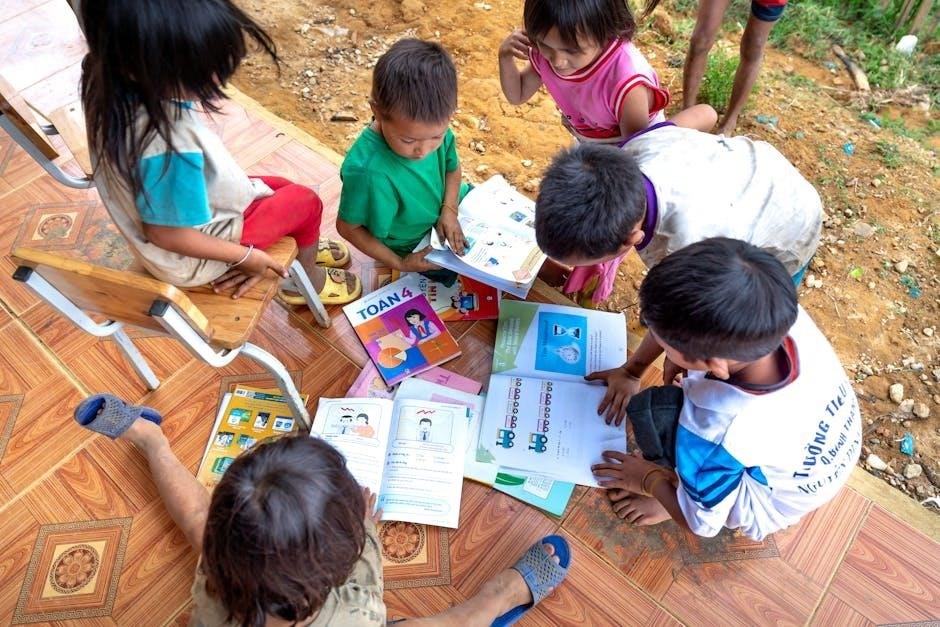
EmaanLibrary.com envisions a dynamic future for the Children’s Islamic Education Series, continually adapting to the evolving needs of young learners. Planned expansions include interactive digital resources complementing the existing PDF format, such as animated stories and quizzes.
Future books may delve deeper into specific areas like Islamic art, science, and contemporary issues, fostering well-rounded Islamic knowledge. Translation into multiple languages is also a priority, broadening accessibility to a global audience.
Development of supplementary teacher resources, including lesson plans and activity guides, will further enhance the series’ educational impact. The goal is to create a comprehensive, engaging, and continuously improving Islamic education experience for children worldwide, building upon the strong foundation already established;