Islam offers a comprehensive way of life, guiding believers through faith, worship, and ethical conduct. This practical guide explores core beliefs,
daily practices, and resources for those beginning their journey, fostering understanding and spiritual growth within the faith’s rich traditions.
Understanding the Core Beliefs (Iman)
Iman, or faith, forms the bedrock of Islam, encompassing belief in six fundamental articles. First is belief in Allah, the one and only God, possessing unique attributes and deserving sole worship. Second, belief in angels, created from light, serving as messengers and carrying out divine commands. Third, belief in the books revealed by God, including the Torah, Psalms, Gospel, and ultimately, the Quran as the final revelation.
Fourth, belief in the prophets sent by God throughout history, with Muhammad (peace be upon him) being the last. Fifth, belief in the Day of Judgment, where all will be held accountable for their actions. Finally, belief in divine decree (Qadar), acknowledging God’s knowledge and wisdom in all that occurs.
These beliefs aren’t merely intellectual assent but require heartfelt conviction and influence a Muslim’s worldview, shaping their actions and purpose in life. Understanding Iman is crucial for a fulfilling spiritual journey.
The Five Pillars of Islam: Foundation of Practice
The Five Pillars are the core practices of Islam, providing a framework for worship and a path to spiritual growth. First is the Shahada, the declaration of faith – affirming that there is no god but Allah, and Muhammad is His messenger. Second, Salat, the five daily prayers, performed facing the Kaaba in Mecca, fostering discipline and connection with God.
Third, Zakat, obligatory charity, purifying wealth and supporting those in need, promoting social justice. Fourth, Sawm, fasting during the month of Ramadan, cultivating empathy and self-discipline. Finally, Hajj, the pilgrimage to Mecca, if physically and financially able, uniting Muslims globally.
These pillars aren’t simply rituals but represent a complete submission to God’s will, shaping a Muslim’s life and strengthening their faith. They are interconnected and essential for a holistic Islamic practice.

Shahada: Declaration of Faith
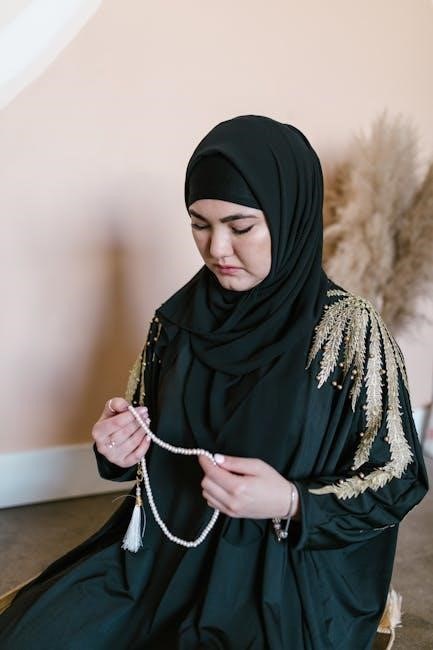
The Shahada, meaning “testimony,” is the fundamental statement of Islamic belief: “La ilaha illallah, Muhammadur Rasulullah” – “There is no god but Allah, Muhammad is the Messenger of Allah.” This simple yet profound declaration encapsulates the core of Islam, emphasizing the absolute oneness of God (Allah) and accepting Muhammad (peace be upon him) as His final prophet.
Reciting the Shahada with sincerity and understanding is the entry point into Islam. It signifies a complete surrender to God’s will and a commitment to follow the teachings of the Prophet Muhammad. It’s not merely a verbal affirmation, but a deeply held conviction that transforms one’s life.
This declaration shapes a Muslim’s worldview, guiding their actions and beliefs. It’s a constant reminder of their relationship with the Divine and their purpose in life – to worship and serve Allah.
Salat: The Importance of Prayer
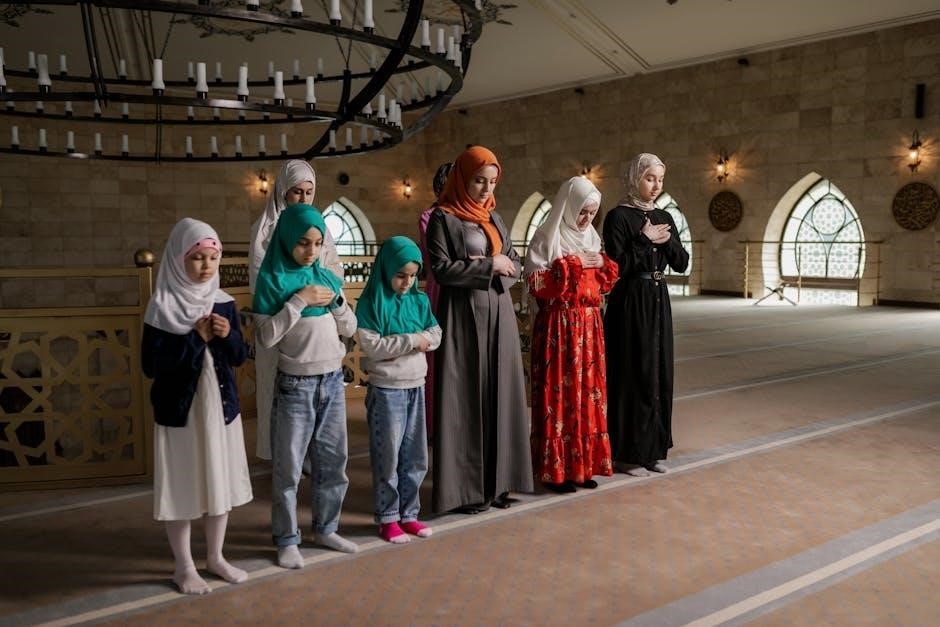
Salat, the five daily prayers, is the second pillar of Islam and a cornerstone of Muslim life. These prescribed prayers – Fajr (dawn), Dhuhr (noon), Asr (afternoon), Maghrib (sunset), and Isha (night) – are performed facing the Kaaba in Mecca, serving as a direct connection between the believer and Allah.
Prayer isn’t simply a ritual; it’s a spiritual discipline that cultivates mindfulness, humility, and gratitude. It’s a time for reflection, seeking guidance, and strengthening one’s faith. The Quran emphasizes the importance of maintaining prayer, stating it prevents shameful and blameworthy deeds.
Performing Salat involves specific physical postures and recitations from the Quran, fostering a sense of community and shared devotion among Muslims worldwide. It’s a daily reminder of God’s presence and a source of peace and tranquility.
Zakat: The Practice of Charitable Giving
Zakat, the third pillar of Islam, is a mandatory form of charity, representing a crucial aspect of social justice and economic equity within the Muslim community. It’s not merely an act of generosity, but a religious obligation for those who meet specific wealth criteria.
Typically, Zakat is calculated as 2.5% of one’s accumulated wealth exceeding a minimum threshold (nisab), held for a lunar year. This wealth includes savings, investments, and assets, but excludes personal possessions. The funds collected are distributed to those in need, as outlined in the Quran – the poor, the needy, those in debt, and others.
Zakat purifies wealth, fosters empathy, and strengthens the bonds of community. It’s a tangible expression of faith, reminding Muslims of their responsibility to care for the less fortunate and contribute to a more just and compassionate society. It’s a vital component of a balanced Islamic lifestyle.
Sawm: Observing the Fast of Ramadan
Sawm, or fasting during the month of Ramadan, constitutes the fourth pillar of Islam, holding profound spiritual significance for Muslims worldwide. It’s a period of intense devotion, self-discipline, and heightened awareness of God and the less fortunate.

From dawn until sunset, Muslims abstain from all food, drink, and other physical needs. This isn’t merely a physical act, but a comprehensive spiritual exercise aimed at cultivating empathy, gratitude, and self-control. Ramadan encourages increased prayer, reflection on the Quran, and acts of charity.
The fast is broken each evening with iftar, a meal often shared with family and community. Suhoor, a pre-dawn meal, provides sustenance for the day ahead. Ramadan culminates in Eid al-Fitr, a joyous celebration marking the end of the fast and a time for gratitude and renewal. It’s a cornerstone of Islamic practice.
Hajj: The Pilgrimage to Mecca
Hajj, the pilgrimage to Mecca, represents the fifth pillar of Islam and a profoundly transformative experience for Muslims, if physically and financially able. It’s a once-in-a-lifetime obligation, uniting believers from all corners of the globe in a shared act of worship.

The pilgrimage involves a series of rituals performed over several days in and around Mecca. These include circling the Kaaba (the sacred cube), walking between the hills of Safa and Marwa, and standing in prayer on the plains of Arafat – a pivotal moment of seeking forgiveness and divine connection.
Hajj symbolizes the unity of the Muslim ummah (community) and a reenactment of the faith of Prophet Ibrahim (Abraham). It’s a journey of spiritual purification, sacrifice, and devotion, fostering humility and a deeper connection with God. Completing Hajj is considered a significant achievement in a Muslim’s life.

The Quran: Guidance for Life
The Quran, believed to be the literal word of God, provides comprehensive guidance for all aspects of life, offering moral, ethical, and spiritual direction to Muslims.
Understanding the Revelation and Structure of the Quran
The Quran’s revelation spanned approximately 23 years, beginning with the first verses revealed to Prophet Muhammad (PBUH) through the angel Gabriel. These revelations weren’t a single, continuous text but were revealed gradually, often in response to specific events or questions. This piecemeal revelation allowed for a more contextual and impactful delivery of guidance.
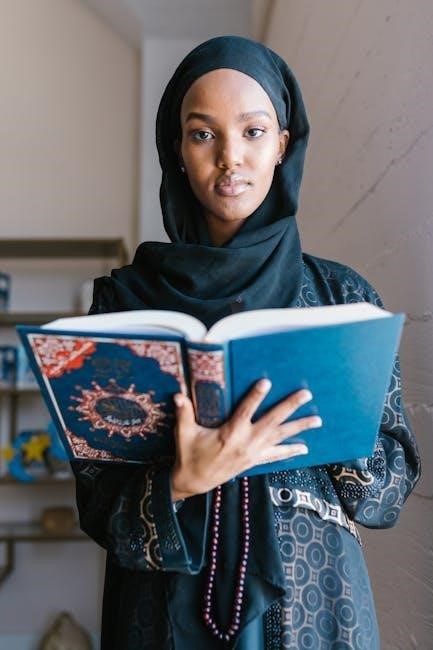
The Quran is divided into 114 chapters, known as surahs, arranged generally in order of length – with some exceptions. Each surah is composed of verses, called ayahs. The surahs vary in length from just a few verses to extensive chapters covering diverse topics.
Understanding this structure is crucial for proper interpretation. The Quran isn’t necessarily a narrative told chronologically; rather, it presents themes and principles that often recur and build upon each other. Many surahs begin with the Arabic phrase “Bismillah ir-Rahman ir-Rahim” (“In the name of God, the Most Gracious, the Most Merciful”), signifying the divine origin and compassionate nature of the message. Studying the context of revelation (asbab al-nuzul) helps to grasp the original intent and meaning of specific verses.
Recitation (Tilawah) and Reflection (Tadabbur)
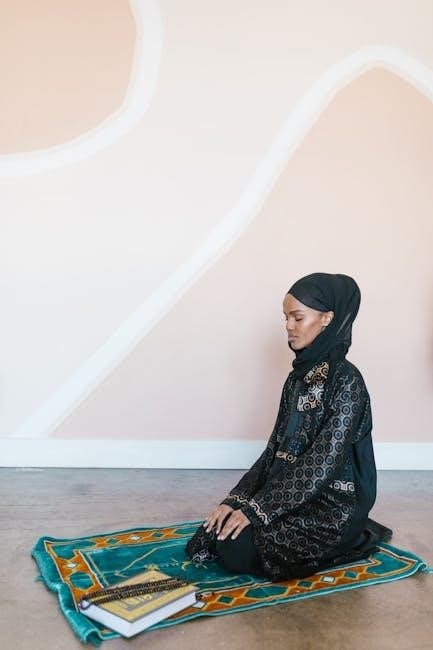
Recitation (Tilawah) of the Quran is a deeply cherished practice for Muslims, considered an act of worship in itself. It involves reading the Quranic text aloud, often with proper pronunciation (tajwid), aiming to convey the beauty and rhythm of the Arabic language. Regular Tilawah is believed to bring blessings and spiritual purification.
However, simply reciting the words isn’t enough. Reflection (Tadabbur) is equally vital. Tadabbur involves contemplating the meaning of the verses, seeking to understand their message and apply it to one’s life. It’s about engaging with the text on a deeper level, pondering its wisdom and guidance.
These two practices are interconnected. Beautiful recitation can enhance reflection, while thoughtful reflection can enrich the experience of recitation. Muslims are encouraged to recite with understanding, not merely as a mechanical exercise. Resources like translations and commentaries can aid in tadabbur, but ultimately, the goal is to connect with the divine message personally and meaningfully.
The Sunnah: Following the Prophet Muhammad (PBUH)
The Sunnah represents the teachings, actions, and approvals of the Prophet Muhammad (peace and blessings be upon him – PBUH). It’s the second primary source of Islamic guidance, alongside the Quran. Muslims strive to emulate the Prophet’s example in all aspects of life, believing it leads to closeness to God and a virtuous character.
The Sunnah isn’t simply a collection of historical anecdotes; it provides practical application of Quranic principles. It details how to perform rituals, conduct business, interact with family and neighbors, and navigate ethical dilemmas. Understanding the Sunnah is crucial for a comprehensive understanding of Islam.
The Prophet observed five pillars of Islam, including bearing witness to Allah’s oneness and Muhammad’s prophethood. Following his example encompasses not only religious duties but also personal qualities like honesty, kindness, humility, and compassion. It’s a lifelong pursuit of embodying the Prophet’s noble character, seeking guidance in his way of life.
Hadith: Narrations of the Prophet’s Life and Teachings
Hadith are detailed accounts of the Prophet Muhammad’s (PBUH) sayings, actions, and tacit approvals, meticulously preserved and transmitted through generations. They serve as vital sources for understanding and implementing the Sunnah – the Prophet’s way of life. These narrations aren’t considered divine revelation like the Quran, but are highly valued as practical guidance.
Different collections of Hadith exist, categorized by their authenticity and reliability. Scholars have developed rigorous criteria to assess the chain of narrators (isnad) and the content (matn) to ensure accuracy. Authentic Hadith provide clarity on various aspects of Islamic practice and belief, supplementing the Quranic verses.
Studying Hadith allows Muslims to connect with the Prophet’s life on a personal level, learning from his wisdom and example. Resources like Seekers Guidance offer abundant free Islamic courses, including those focused on Hadith study, making this knowledge accessible to all levels of learners, from beginners to advanced practitioners.

Daily Life as a Muslim
Muslim daily life is guided by Islamic etiquette (Adab), dietary laws (Halal), and strong family values, emphasizing continuous learning and ethical conduct in all aspects.
Islamic Etiquette (Adab)
Islamic etiquette, known as Adab, encompasses a comprehensive set of manners and behaviors that Muslims strive to embody in all aspects of life. It’s about refining character and demonstrating respect – for God, oneself, others, and the environment. This extends to speech, interactions, and even personal hygiene.
Adab guides Muslims in how to greet others with peace (As-salamu alaykum), how to eat and drink with moderation and gratitude, and how to conduct themselves with humility and kindness. It emphasizes the importance of honesty, trustworthiness, and fulfilling promises. Consideration for neighbors, respecting elders, and caring for the less fortunate are also central tenets.
Furthermore, Adab extends to the mosque, requiring modest dress and quiet reverence. It governs interactions with family, promoting love, compassion, and mutual respect. Ultimately, practicing Adab isn’t merely about following rules; it’s about cultivating a beautiful character and reflecting the teachings of the Prophet Muhammad (PBUH) in daily life, striving for excellence in moral conduct.

Dietary Laws (Halal and Haram)
Islamic dietary laws are rooted in the concepts of Halal (permissible) and Haram (forbidden). These guidelines dictate what Muslims can and cannot consume, extending beyond simply avoiding pork and alcohol. Halal foods are those deemed lawful according to Islamic teachings, encompassing a wide range of fruits, vegetables, grains, and meats prepared according to specific standards.
Meat must be slaughtered in a specific manner – Zabiha – ensuring minimal suffering to the animal and invoking God’s name during the process. Blood, carrion, and animals not slaughtered according to Islamic rites are considered Haram. Beyond the source of food, preparation methods also matter; cross-contamination with Haram substances renders food impermissible.
These laws aren’t arbitrary; they’re believed to promote physical and spiritual well-being. Muslims are encouraged to consume wholesome, natural foods and avoid excess. Understanding Halal and Haram is crucial for practicing Muslims, influencing not only their meals but also their social interactions and consumer choices.
Family Life and Relationships
Islam places immense importance on family, viewing it as the cornerstone of society. Strong familial bonds, respect for elders, and the nurturing of children are central tenets. Marriage is considered a sacred contract, fostering love, mercy, and companionship. Both spouses have rights and responsibilities, emphasizing mutual respect and cooperation.
Parental roles are highly valued; parents are responsible for the religious and moral upbringing of their children, providing education and guidance. Children, in turn, are obligated to honor and care for their parents in old age. Extended family ties are also prioritized, with relatives offering support and maintaining close relationships.
Kindness, compassion, and maintaining good relations with neighbors are also emphasized. Islam promotes justice and fairness in all interactions, fostering a harmonious community. These principles guide Muslims in building strong, supportive families and contributing positively to society, reflecting the faith’s emphasis on social responsibility.
Seeking Knowledge and Continuous Learning
Islam profoundly values the pursuit of knowledge, considering it a religious obligation for every Muslim, regardless of gender. The Quran and Sunnah emphasize reflection, contemplation, and the acquisition of both religious and worldly knowledge. This commitment to learning stems from the belief that understanding creation is a path to understanding the Creator;
Continuous learning isn’t limited to formal education; it encompasses seeking wisdom from various sources, engaging in thoughtful discussions, and observing the world around us. Resources like Seekers Guidance offer abundant free Islamic courses, catering to all levels of understanding, from beginners to advanced scholars.
This dedication to knowledge fosters critical thinking, ethical reasoning, and a deeper connection with faith. Muslims are encouraged to constantly refine their understanding, striving for intellectual and spiritual growth throughout their lives, contributing to a more informed and enlightened community.